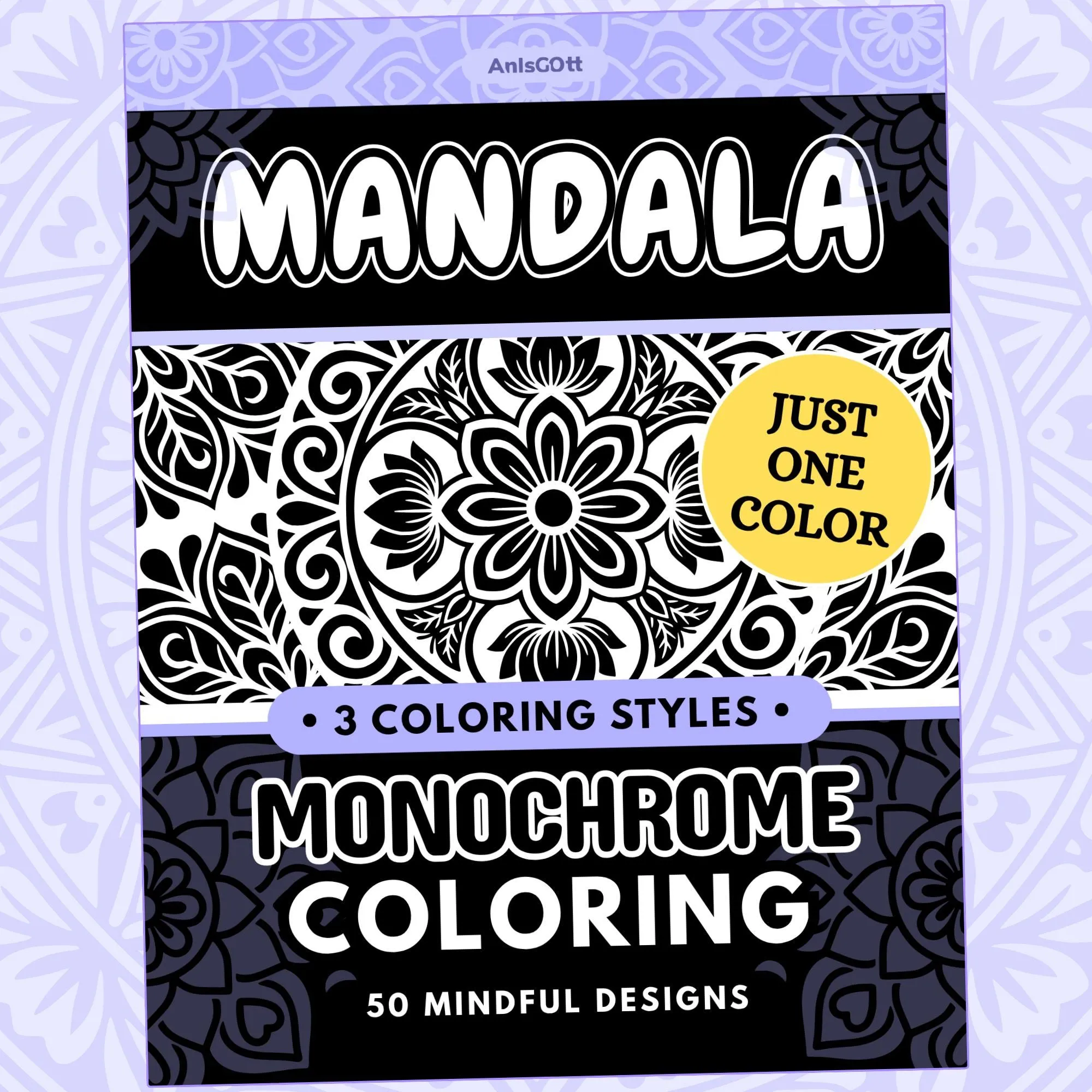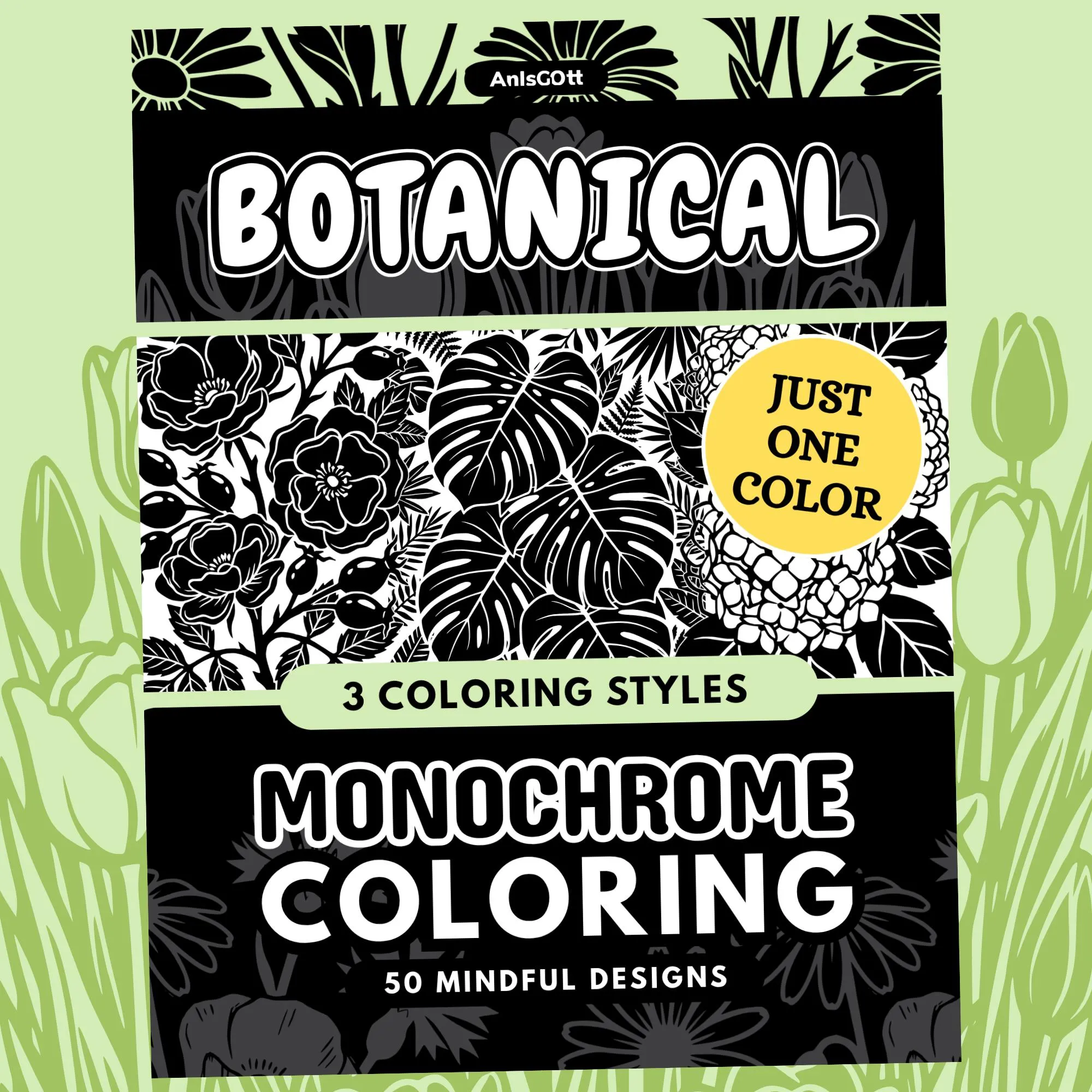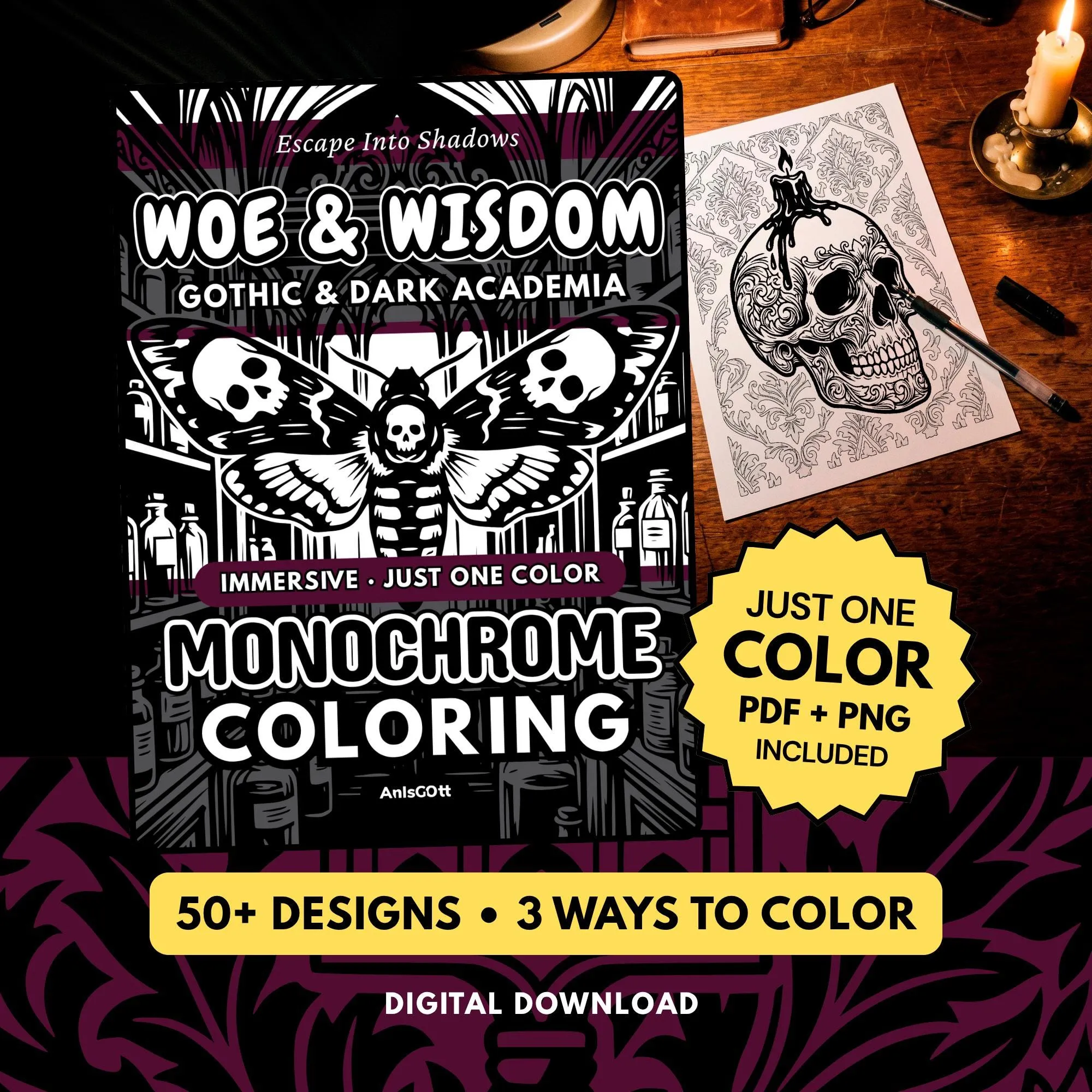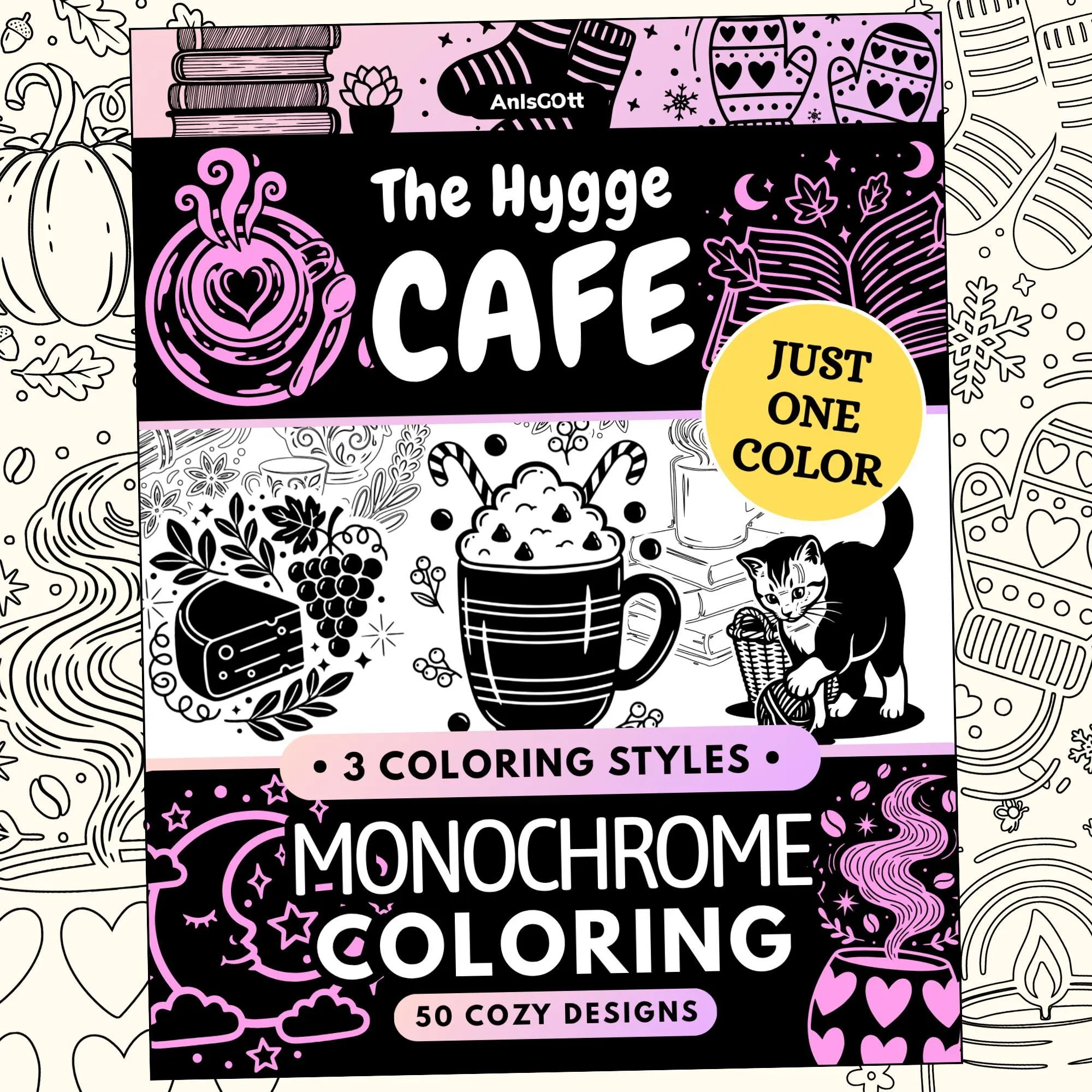
Your brain hasn’t stopped since you woke up.
The list. The emails. The conversation you replayed three times. The decision you haven’t made yet. By the time you sit down to do something for yourself, your mind is still running laps.
You pick up a coloring book. Forty-eight shades of blue. Which one is right for the sky?
Five minutes later you give up. Somehow the anxiety is worse.
 One color. That’s the only decision you need to make.
Why your brain needs one color
Anxiety isn’t dramatic. Most of the time it’s just a quiet hum, the kind that makes it impossible to finish a thought, settle into a task, or feel like you’ve actually rested.
It’s the micro-decisions. What to eat. What to say. What to wear. What to worry about next. By the end of the day your brain has made thousands of small choices and it’s exhausted in a way that sleep doesn’t fully fix.
Traditional coloring books hand you a blank page and a box of 60 pencils. That’s just more of the same thing that broke you down.
The fix is simpler than you think Pick one color before you sit down. That’s the last decision you make. Everything else is already there: the design, the structure, where to fill next.
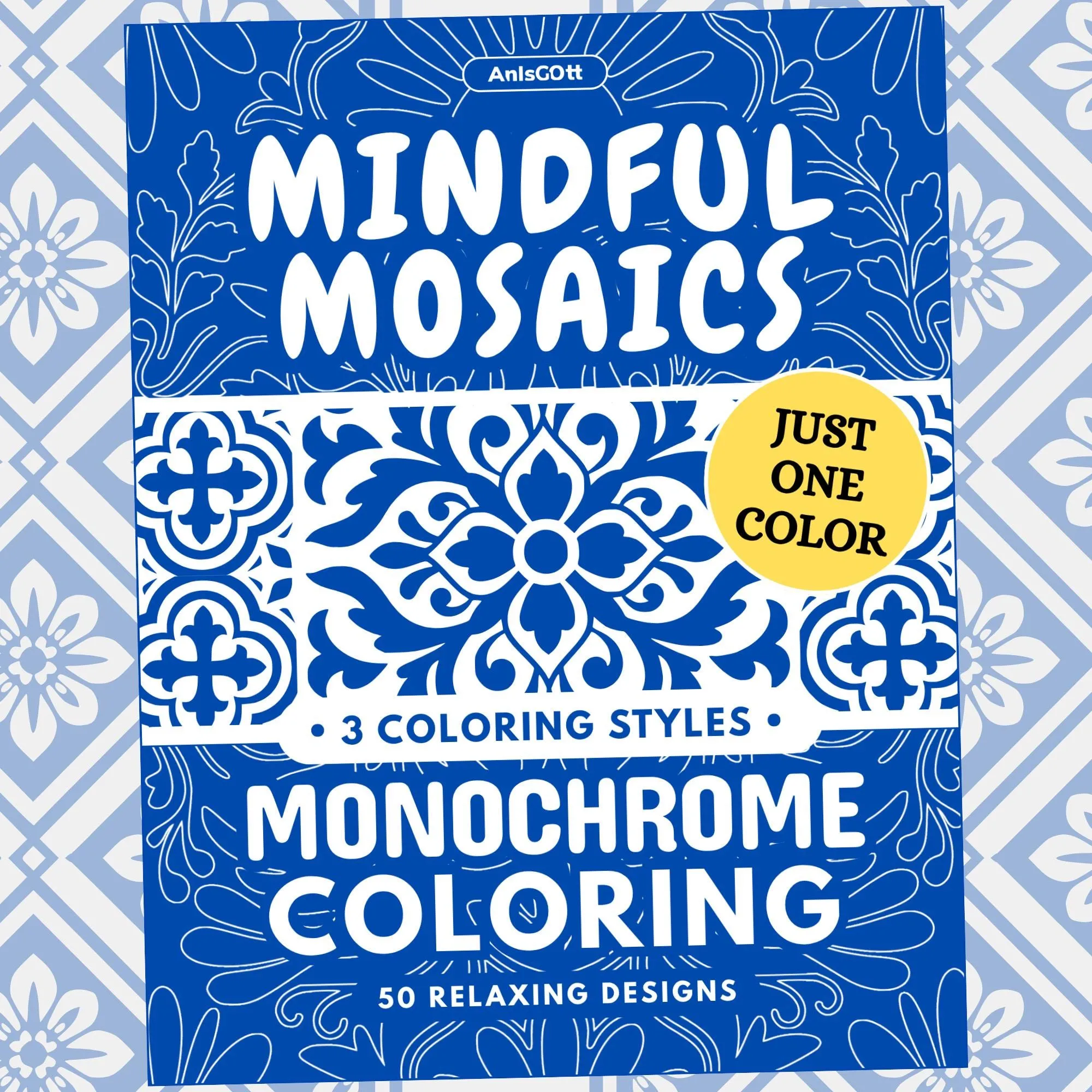
What is monochrome coloring?
One color. That’s the entire rule.
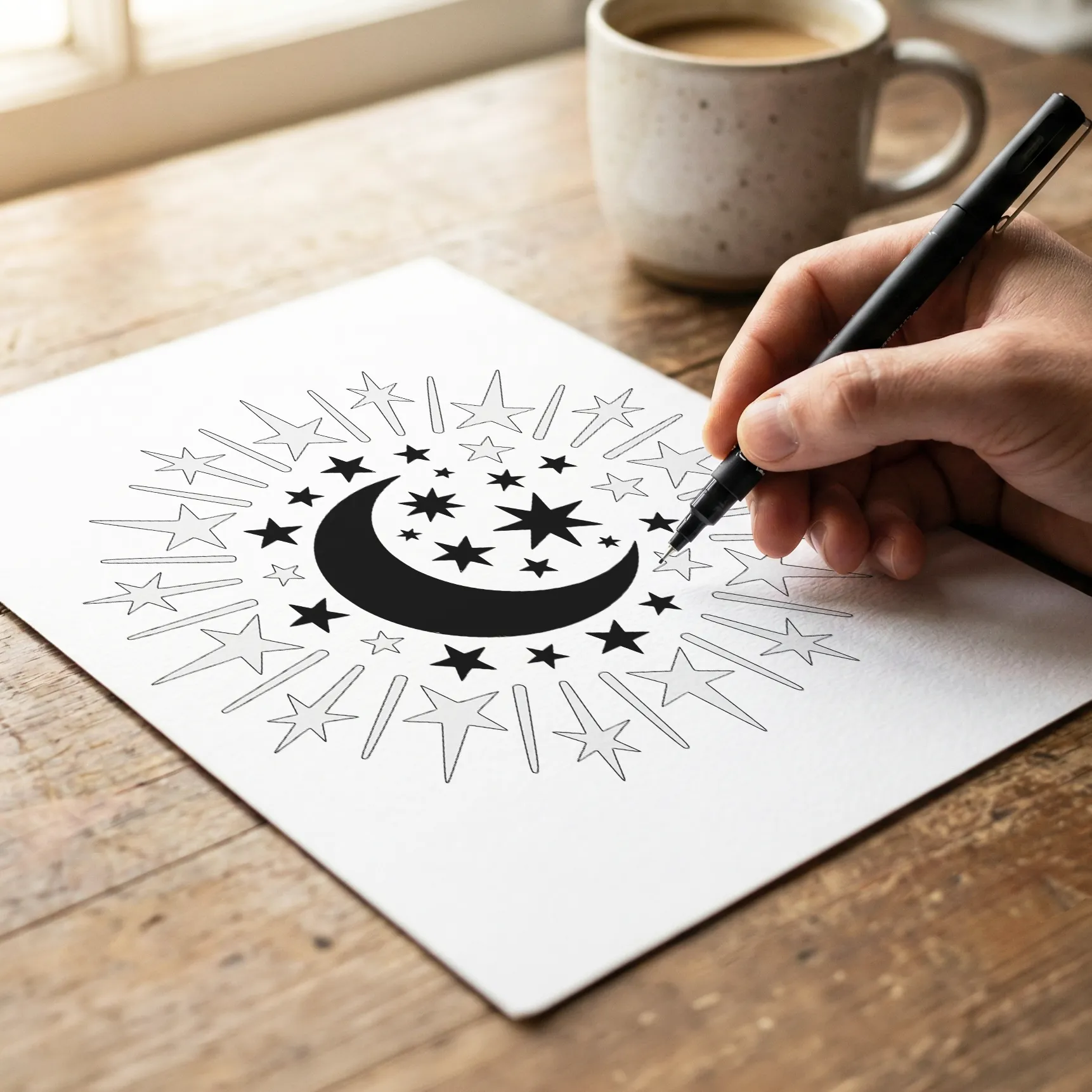
You pick it before you sit down, that’s the last decision you make. Then you follow the lines. Fill the sections. Watch the design emerge.
Your hand moves, your eyes focus, and somewhere in those first few minutes your shoulders drop and your breathing changes and your mind finally goes quiet.

Especially good for ADHD, OCD & neurodivergent minds
This is something nobody in the coloring world talks about directly, but the reviews say it louder than any marketing copy.
ADHD: complex designs create genuine hyperfocus without frustration. No wrong moves, so the inner critic goes quiet.
OCD: the single-color constraint removes the perfectionism spiral. No “right” color to obsess over. The marks show exactly where to fill.
Chronic pain & fine motor challenges: Bold & Easy designs have large sections, clean lines, no tiny areas that punish a shaky hand.
“This is absolutely perfect for my OCD. So relaxing to colour with the total ease of a single color.” : Charmayn, verified buyer
3 ways to color: pick what feels right today
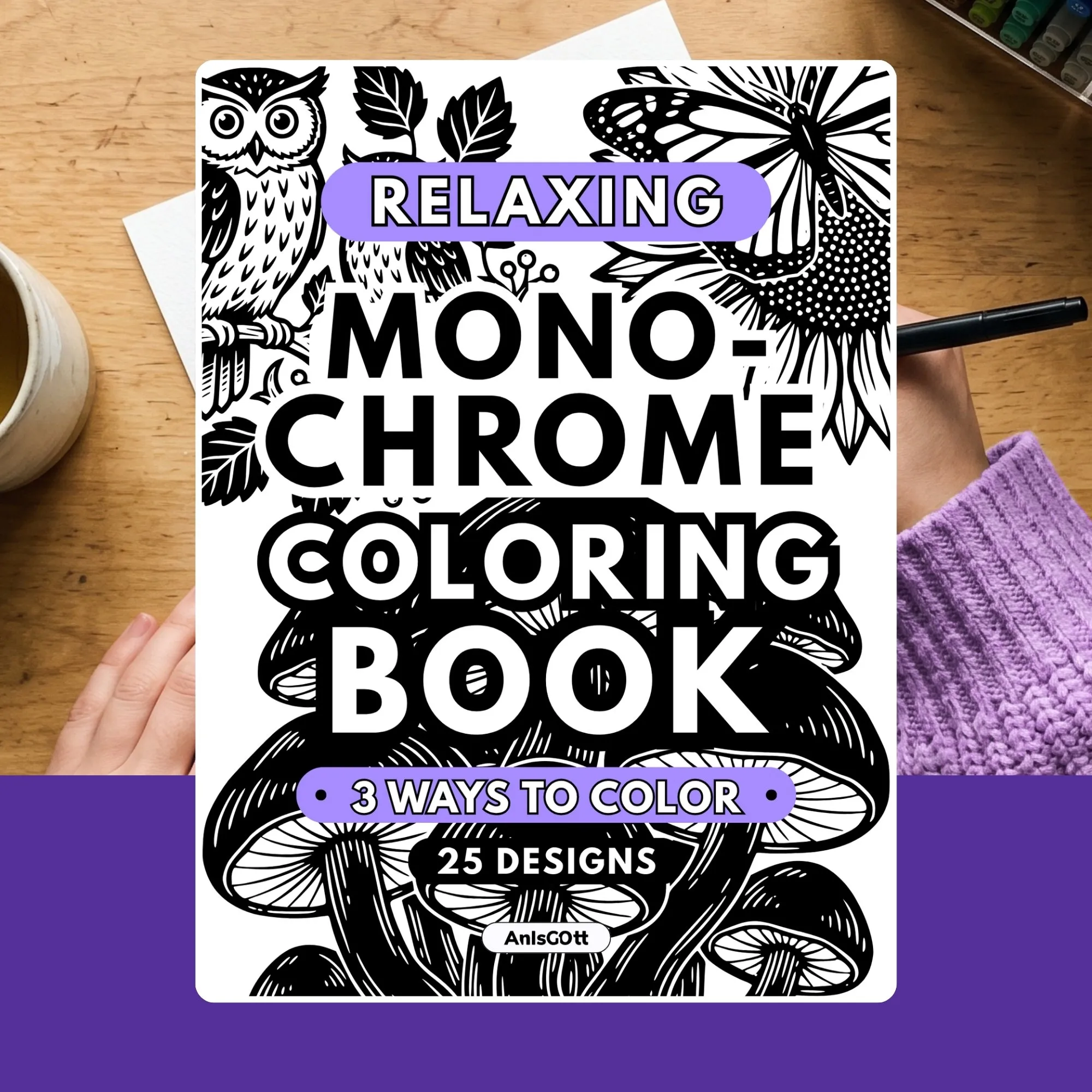
Not every day feels the same. The AnIsGOtt Design system gives you three options:

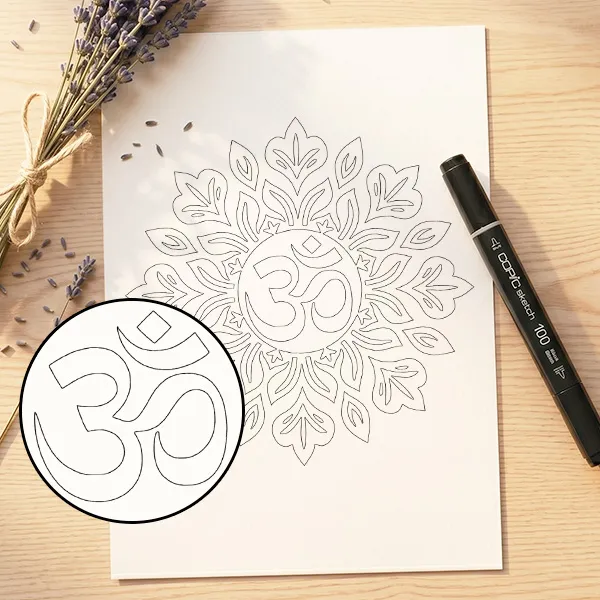
Classic Outline: Traditional coloring book experience. Use as many colors as you want, however you want. Total freedom, no guide.
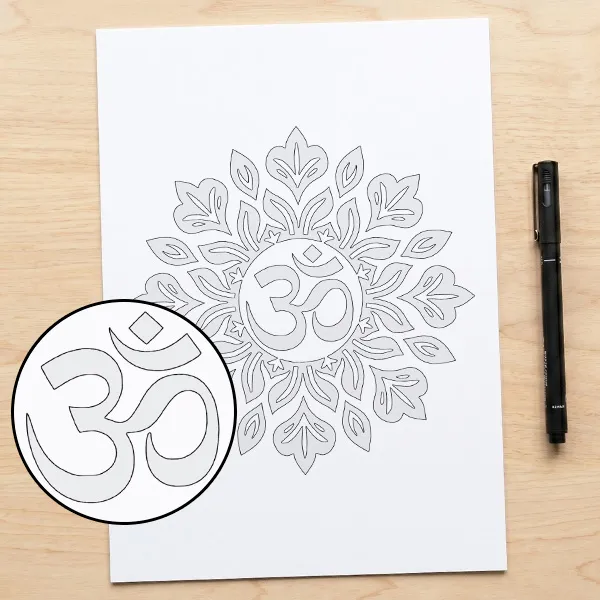
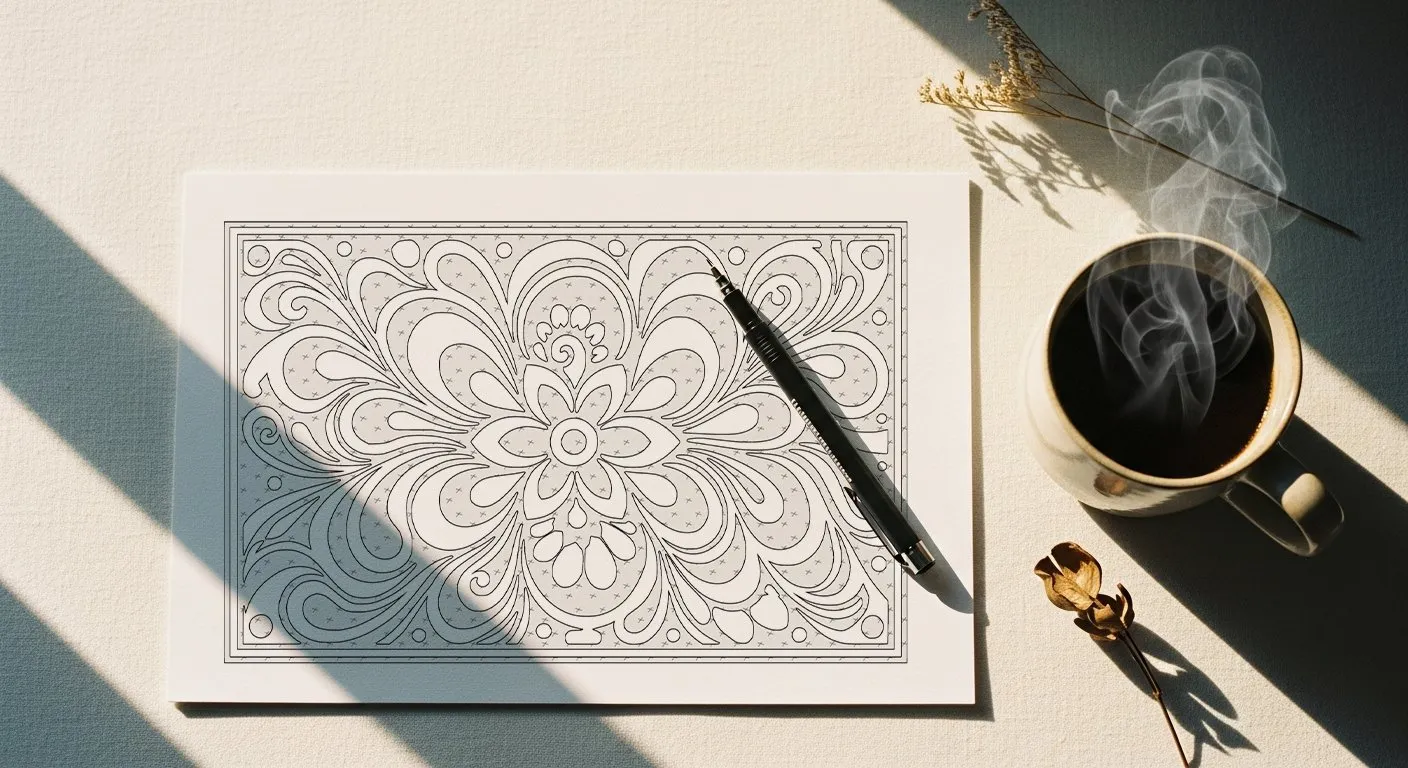
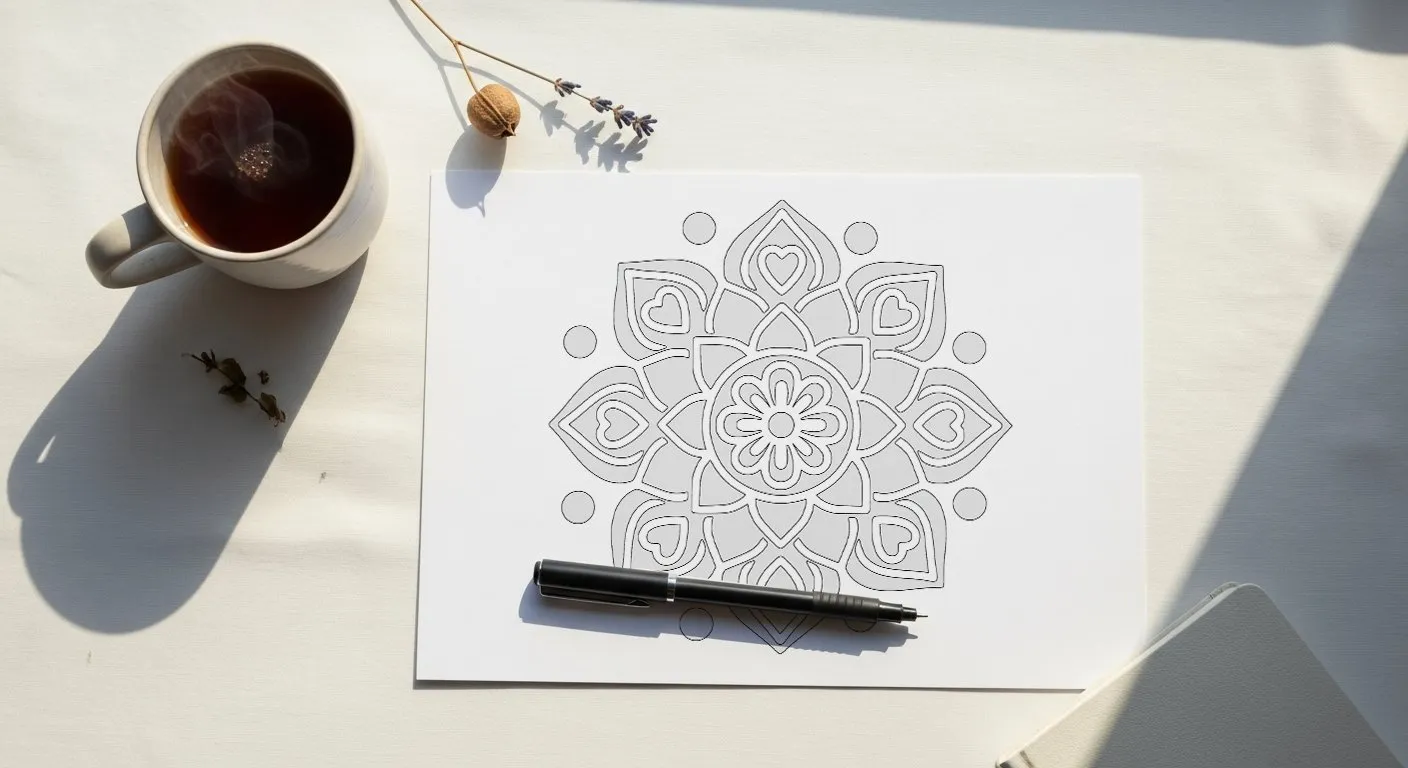
Shadow Guide: One color, any shade. Soft gray areas printed into the design show exactly where to fill. The gray disappears under the color and leaves no visible marks.
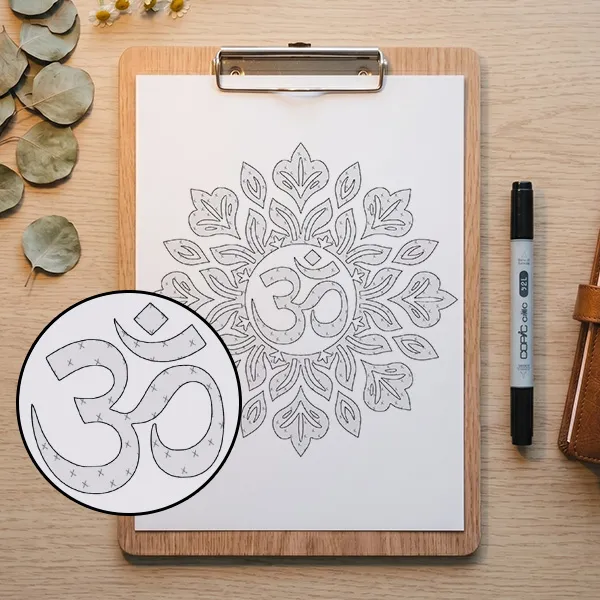
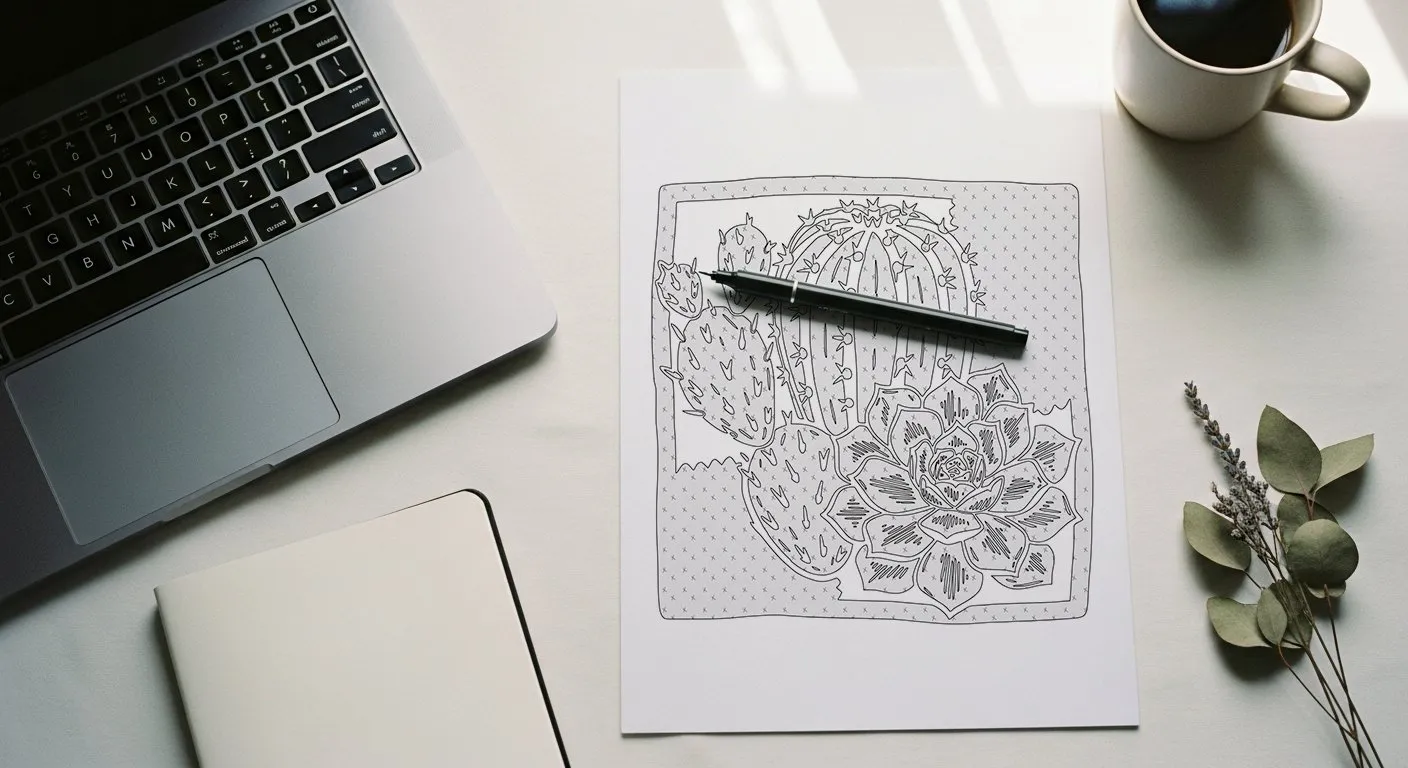
Pattern Guide: One color. Small X marks show exactly where to fill. Best with dark or opaque colors; light or transparent fills can leave the X marks visible.
What actually happens in your brain
When you pick up a single color and start filling a mandala, several things happen:
Repetitive movement calms your nervous system. The back-and-forth motion activates the parasympathetic system, the same mechanism as deep breathing.
Visual complexity occupies your attention. Intricate designs require just enough focus to crowd out the anxious thought loop.
No performance anxiety. With one color, there’s no way to do it wrong. Wrong is what anxiety feeds on.
Setting up your practice
Choose your time. Evening works best for most: 20 minutes before bed instead of phone-scrolling.
One tool only. Pick your color before you sit down. Cool tones (slate, lavender, sage) feel calming. Warm tones (rust, terracotta) feel grounding.
Sound is personal. For many anxious minds, music with lyrics keeps the verbal narration going : the same loop you’re trying to quiet. Ambient or instrumental is a reliable default. That said, some people (especially those with ADHD or a busy mind) actually settle better with a familiar podcast or playlist in the background. Try both and trust what keeps you at the page.
Don’t aim to finish the page. The goal is time in the practice, not completion.

→ Download 15 Free Pages and Try It Tonight
High-res · Print-ready · Works on paper or iPad · No credit card
Frequently asked questions
Does coloring actually help with anxiety? Research consistently shows structured, repetitive visual activities reduce cortisol and activate the parasympathetic nervous system. As a daily regulation tool, it’s genuinely effective.
What color should I use? Whichever one you’re drawn to today. There’s real value in noticing what you reach for. It’s a small moment of self-awareness.
How long should a session be? 10 to 45 minutes. Research suggests it takes 10 to 15 minutes of uninterrupted focus to fully enter a flow state. Aim for at least 10 when you can.
Can I color digitally? Yes. All collections include PNG files for Procreate, GoodNotes, or any drawing app on your iPad.